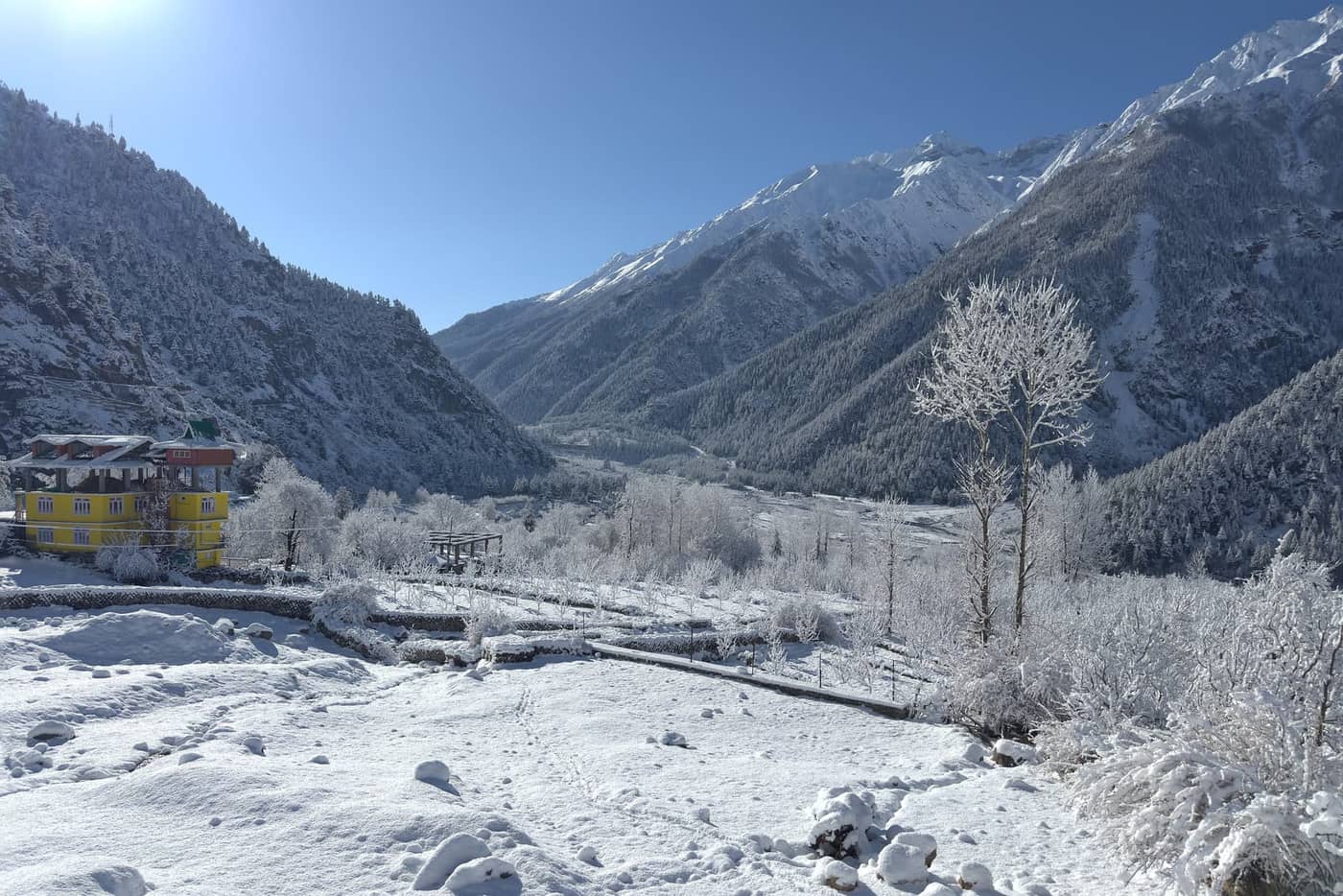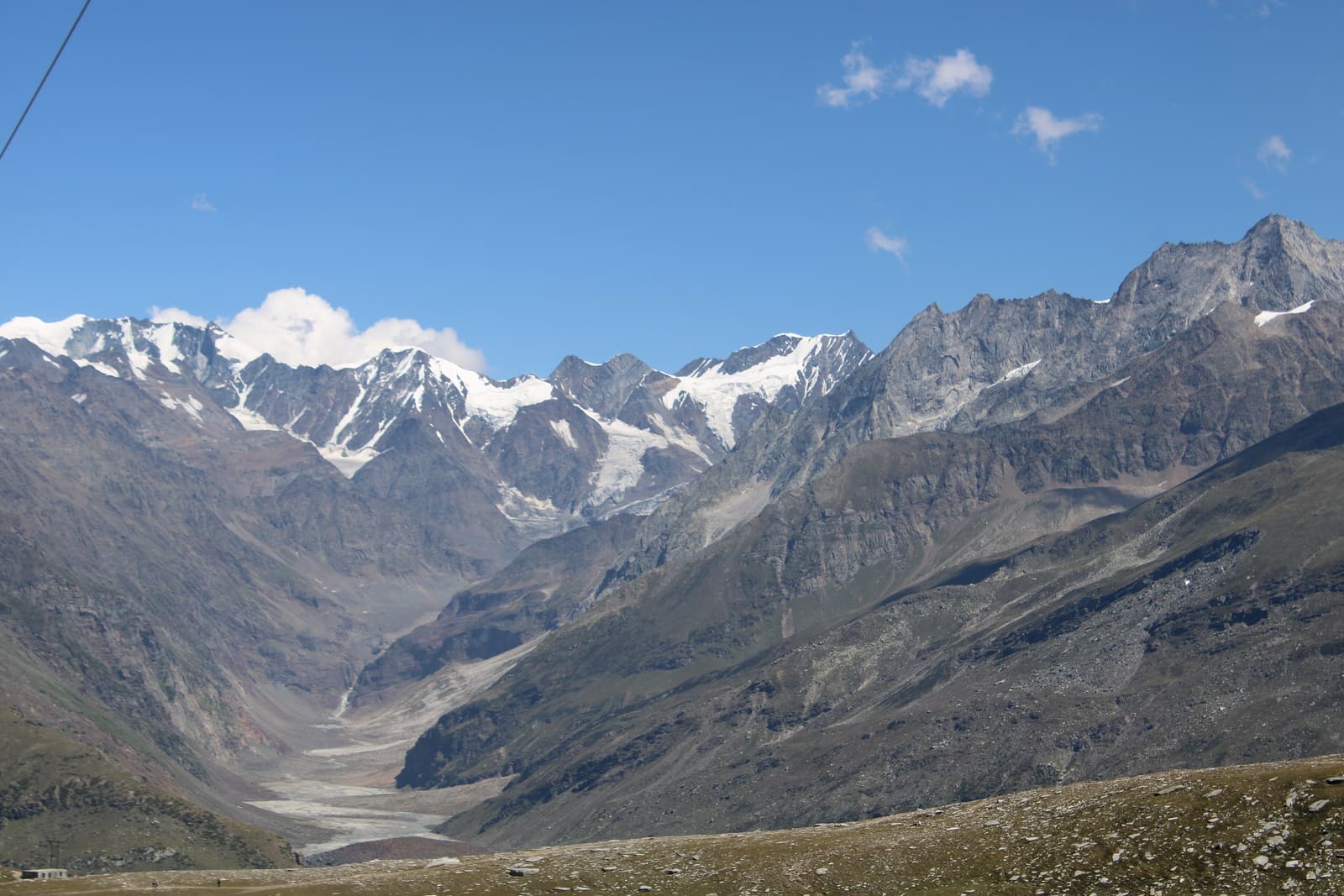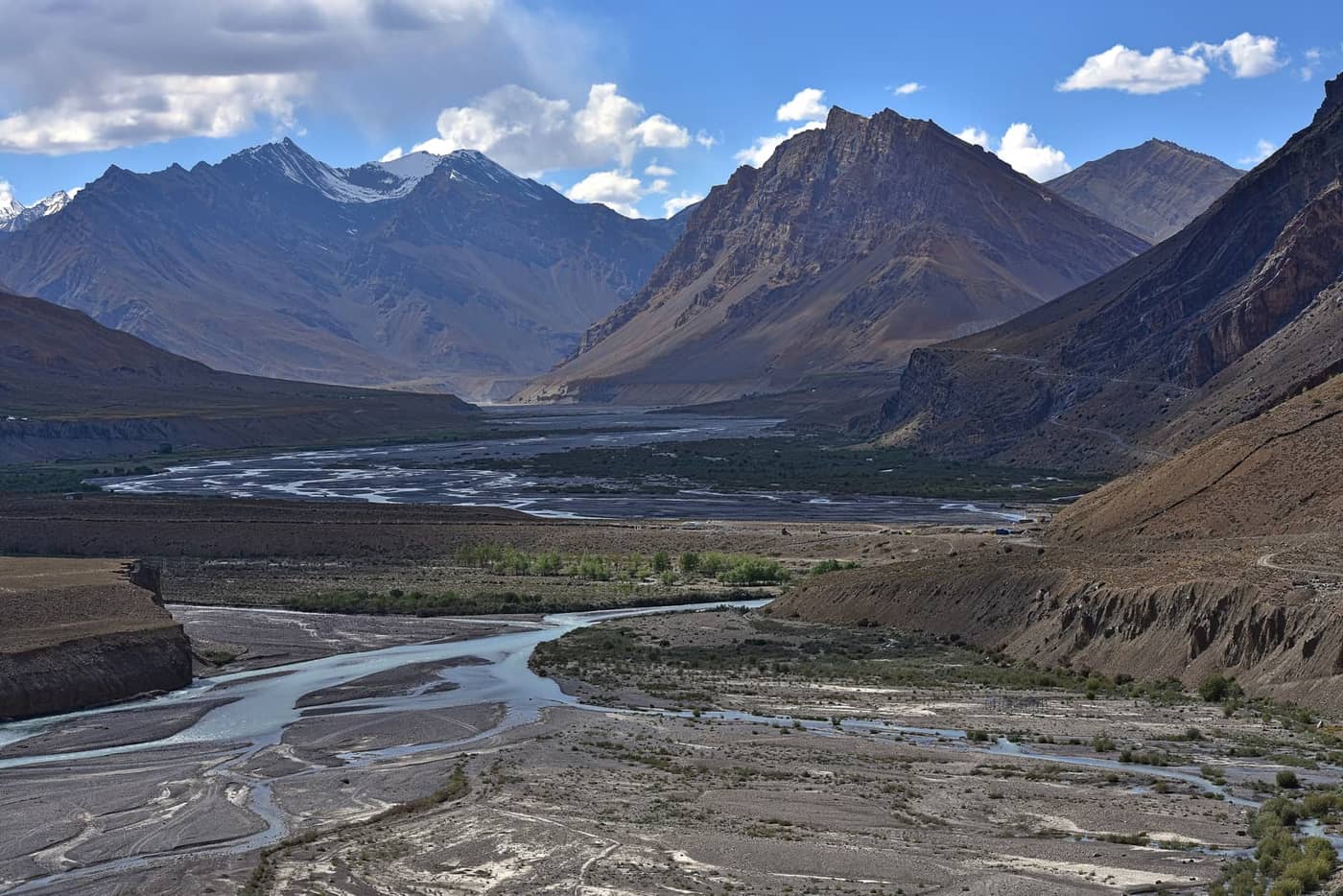
Spiti lies behind the main Himalayan range, in the rain shadow bordering Tibet. The valley floor is at 3,300–4,000 m, the mountains are bare and banded in ochre and grey, and the villages — Kibber, Langza, Komic, Dhankar, Tabo — are clusters of whitewashed, flat-roofed houses around Buddhist monasteries that have been active for centuries.
Getting there is half the adventure. The classic circuit enters from Shimla through Kinnaur along the Sutlej and exits over the Kunzum La (4,551 m) to Manali — or the reverse. Allow at least a week and plan for altitude.
Top things to do in Spiti Valley
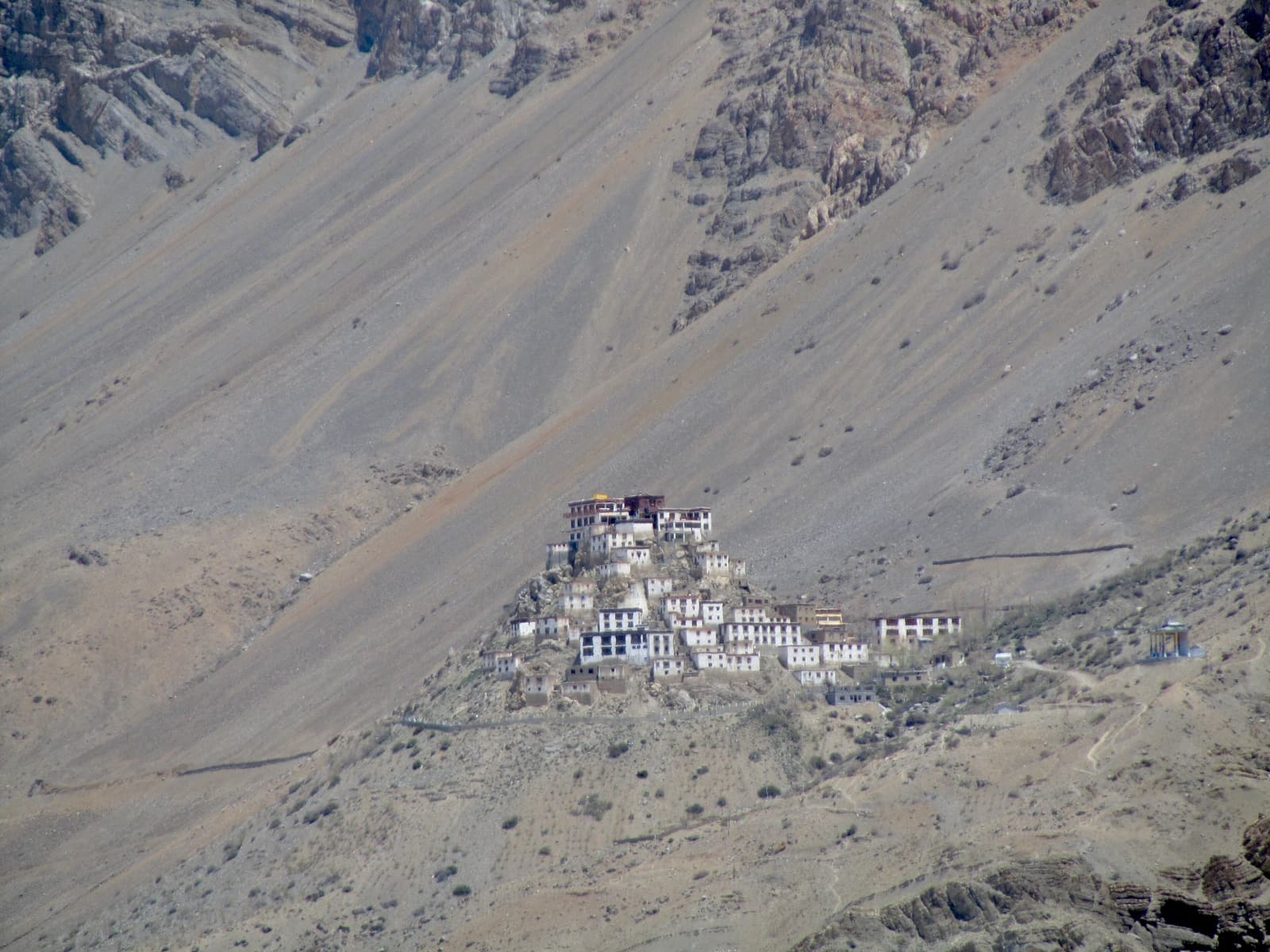
Key Gompa
Spiti’s largest monastery, founded around a thousand years ago, rises in stacked white buildings on a conical hill 12 km from Kaza. Monks usually welcome visitors to the prayer halls and sometimes offer butter tea.
Kibber, Langza, Hikkim and Komic
High villages above Kaza: Langza is known for fossils and a large Buddha statue, Hikkim for one of the world’s highest post offices, Komic for its monastery at over 4,500 m, and Kibber for snow-leopard winter tours.
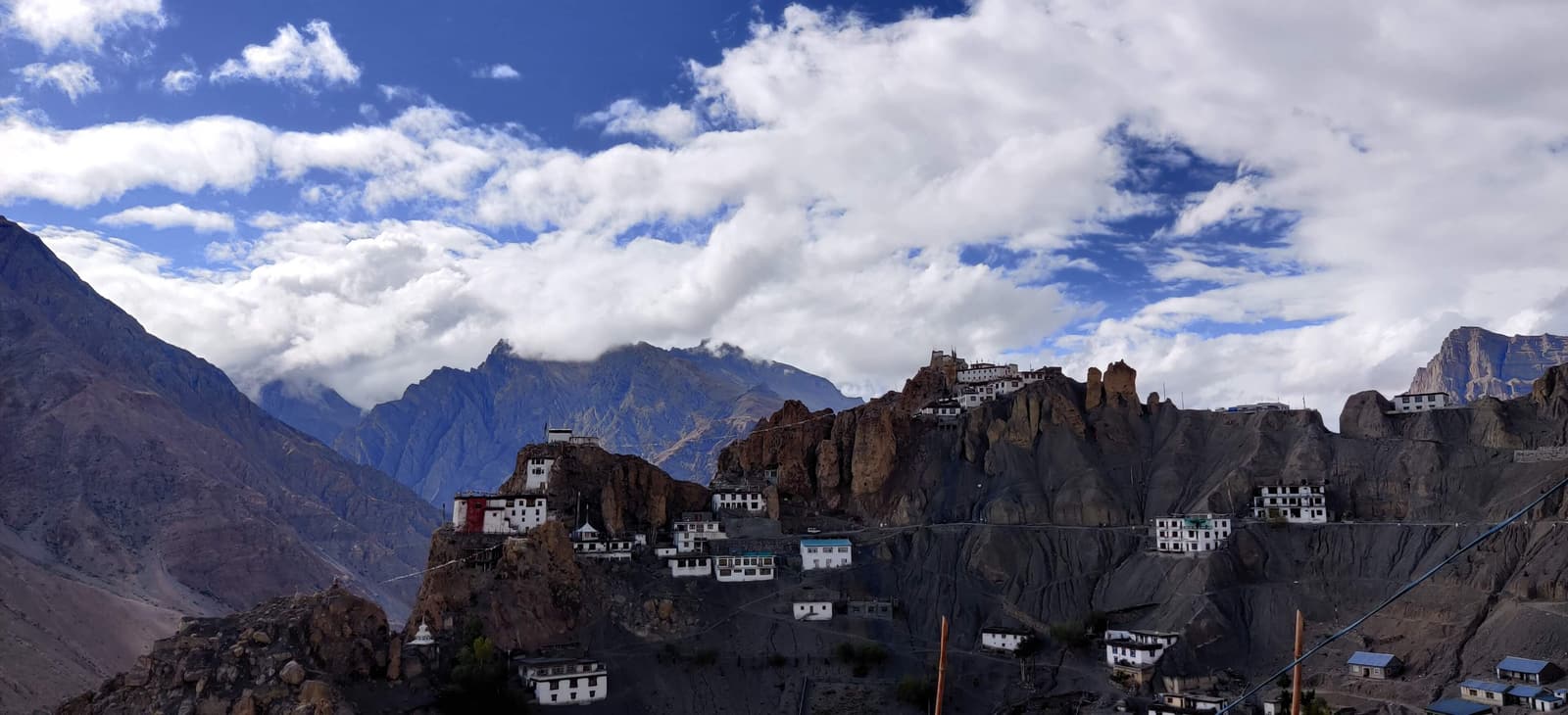
Tabo and Dhankar
Tabo Monastery, founded in 996, has celebrated murals and clay sculptures. Dhankar, the old capital, perches on crumbling spires above the confluence of the Spiti and Pin rivers, with a small lake an hour’s walk above.
Pin Valley
A side valley of green fields and the Pin Valley National Park, home to ibex and — rarely seen — snow leopards. Mudh village is the end of the road.
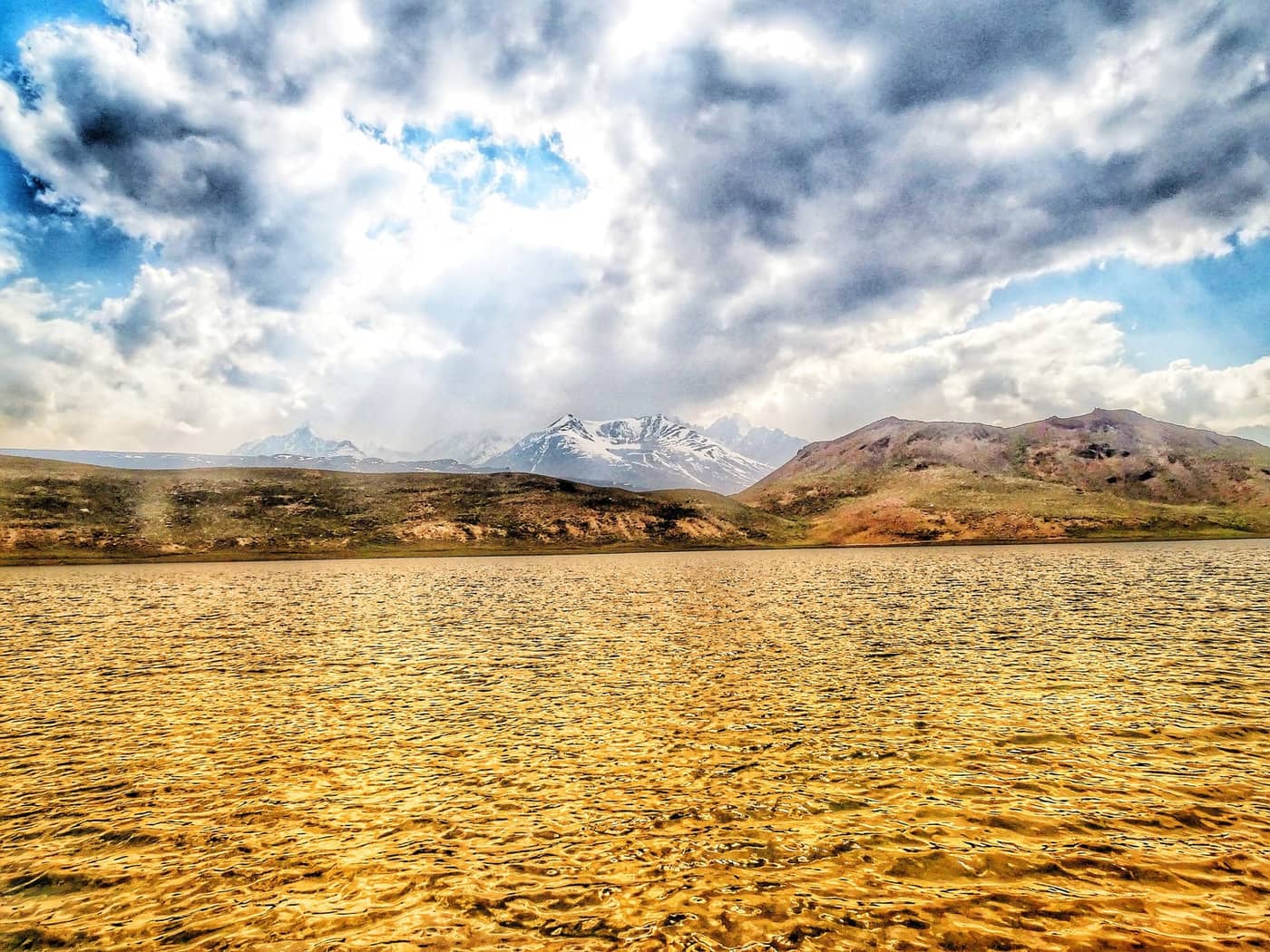
Chandratal
The crescent-shaped “moon lake” at about 4,300 m, near the Kunzum La, is reached by a rough road and a short walk, roughly June to October. Camping directly on the lakeshore is not allowed; camps are a few kilometres away.
How to get to Spiti Valley
- Via Kinnaur (open most of the year): Shimla – Narkanda – Rampur – Reckong Peo/Kalpa – Nako – Tabo – Kaza, about 420 km over two or three days. This is the safer route for acclimatisation.
- Via Manali (roughly June–October): Manali – Atal Tunnel – Gramphu – Batal – Kunzum La – Losar – Kaza, about 200 km of rough road, 8–10 hours. Depends on snow clearance.
- HRTC buses run from Shimla and Reckong Peo to Kaza, and seasonally from Manali. Most visitors join a guided Spiti road trip or hire a car and experienced driver.
- Foreign nationals need an Inner Line Permit for the stretch near the Tibet border between Kinnaur and Spiti; it can be obtained online or at Reckong Peo, Kaza or Shimla. Indian citizens currently do not need one.
Insider tips
- Enter via Kinnaur and gain height slowly; spend a night at Kalpa or Nako before Kaza.
- Drink plenty of water, avoid alcohol for the first days and know the signs of acute mountain sickness.
- Mobile coverage is patchy: BSNL and Jio work best in Kaza. Carry offline maps.
- There are ATMs in Kaza and Reckong Peo but they are unreliable — carry enough cash.
- The Manali side can close suddenly with snow even in September; keep a spare day.
Tours that include Spiti Valley
These guided trips cover Spiti Valley or combine easily with a visit:
Road trip Shimla: 8-Day Spiti Valley Tour via Kalpa, Kaza & Manali
The classic way to see Spiti: start in Shimla and follow the Sutlej through Kinnaur to Kalpa, cross into the high desert at Nako and Tabo, base yourself in Kaza for Key, Kibber and Langza, then exit over Kunzum La and the Atal Tunnel to Manali.
- The full Spiti circuit: Kinnaur, Kalpa, Tabo, Kaza, Manali
- Key, Dhankar and Tabo monasteries
- Gradual altitude gain for safer acclimatisation
 4x4 expedition
 From Chandigarh: 9-Day Spiti Valley 4x4 Expedition
A slower, 4x4 version of the Spiti circuit that starts in Chandigarh, with extra time to acclimatise, visit remote villages and — when the road is open — see the moon lake of Chandratal.
- 4x4 vehicle and experienced mountain driver
- Kinnaur, Spiti villages and high monasteries
- Chandratal lake (in season) and the Kunzum pass
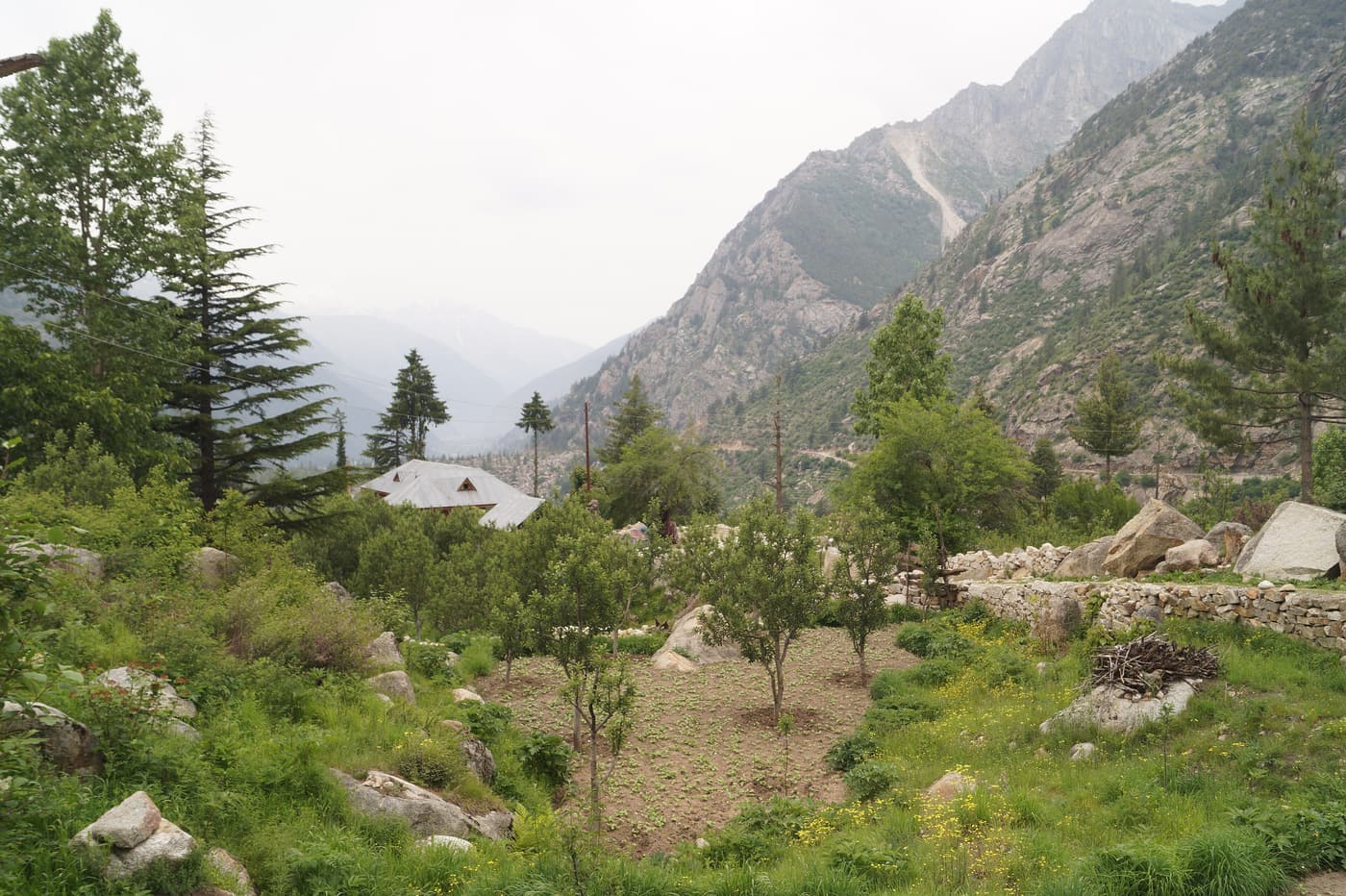 Road trip
 From Delhi: 9-Day Kinnaur and Spiti Valley Tour with Meals
A complete Kinnaur-and-Spiti journey from Delhi with meals included, spending time in the apple-orchard villages of the Baspa valley before climbing into the cold desert of Spiti.
- Sangla and Chitkul in the Baspa valley
- Kalpa’s views of Kinnaur Kailash
- Nako, Tabo, Kaza and the Spiti monasteries