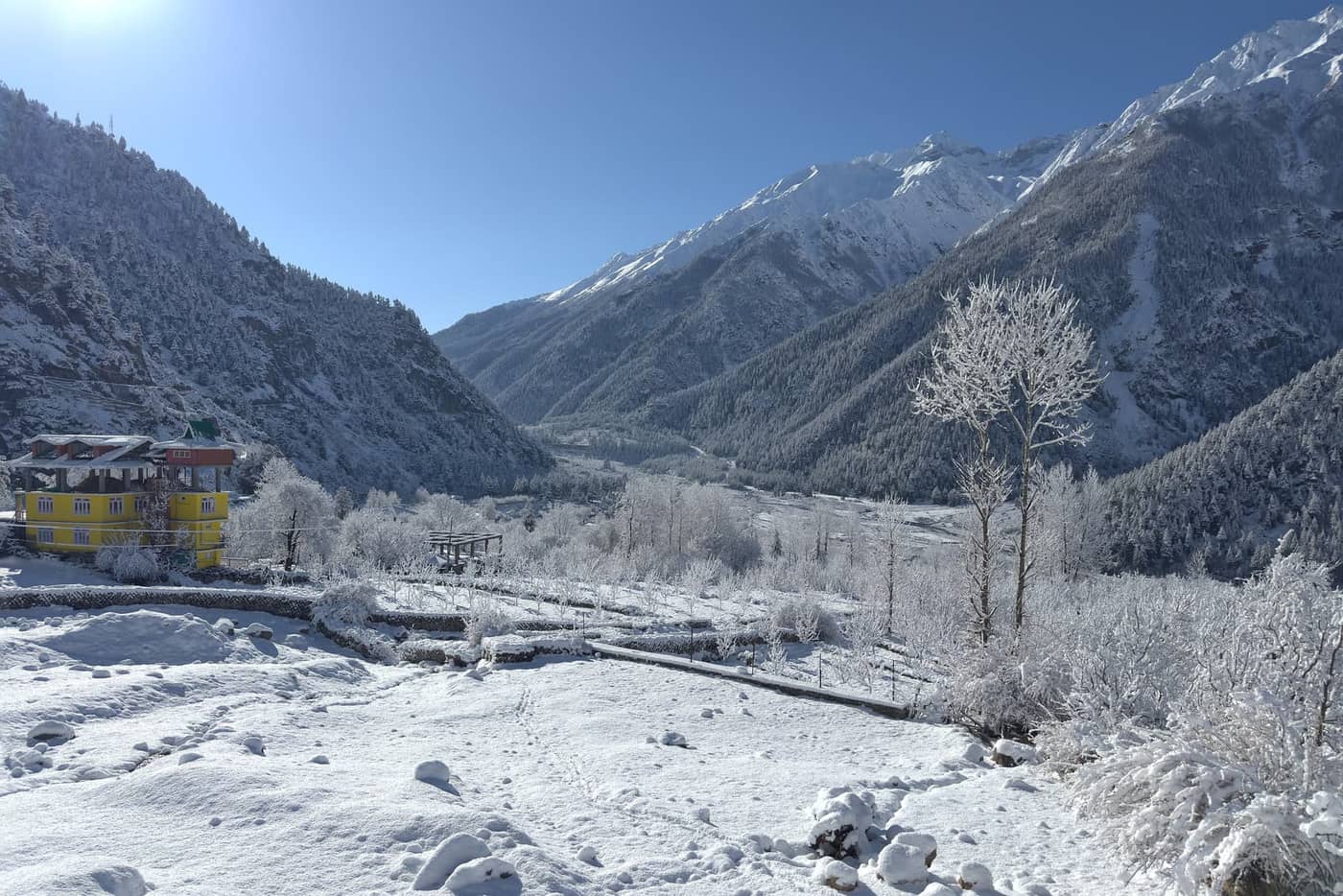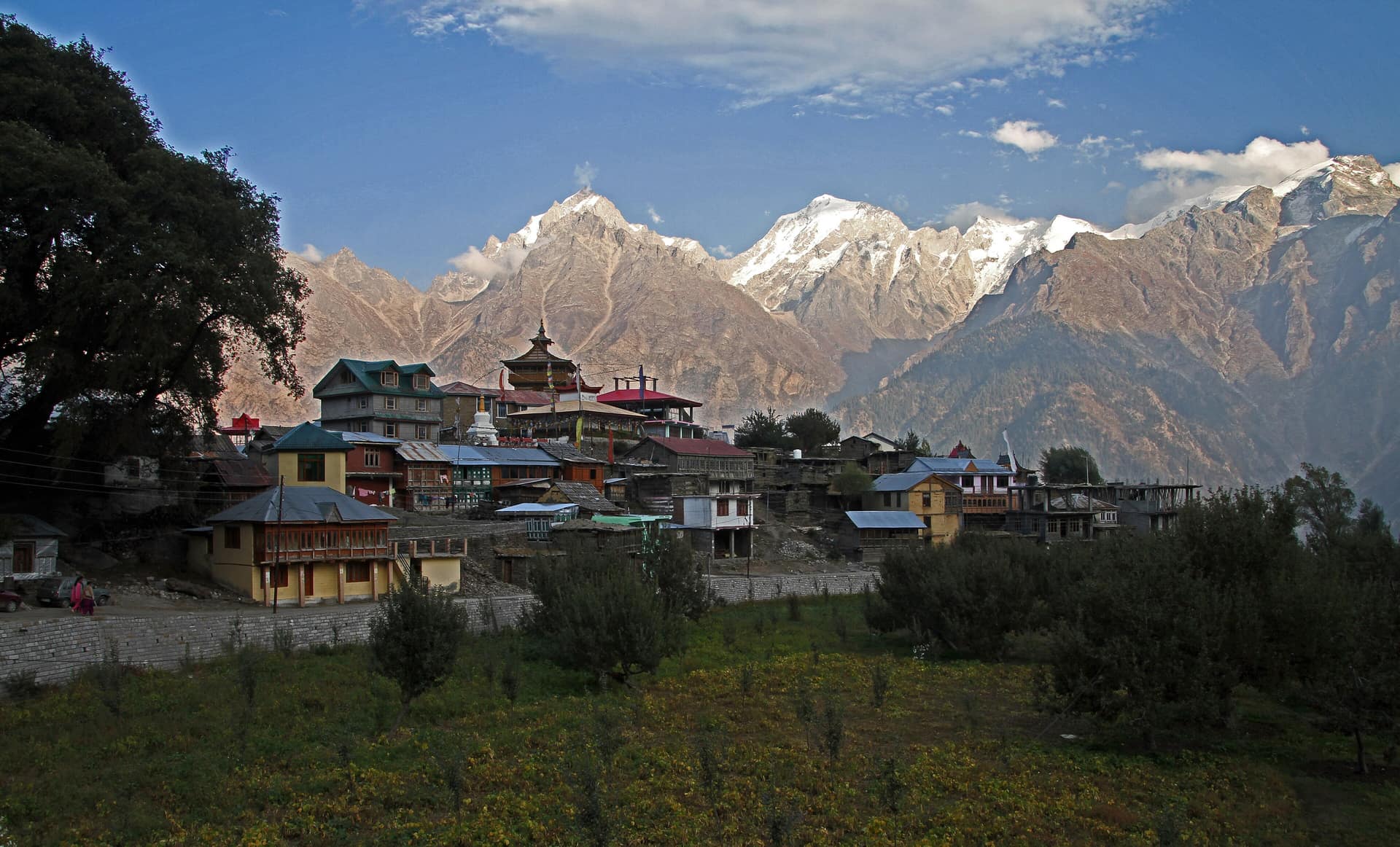
Himachal Pradesh — “the land of snow” — is a mountain state of around 7.5 million people wedged between Jammu & Kashmir, Ladakh, Tibet, Uttarakhand and the plains of Punjab and Haryana. Its capital is Shimla; its landscapes range from terraced foothills and tea gardens to glaciers and cold desert.
The regions at a glance
- Kullu valley & Manali: adventure sports, snow, forest temples, the Parvati Valley and the gateway to Lahaul and Ladakh.
- Shimla & the lower hills: colonial architecture, the UNESCO toy train, forest walks and easy access from Chandigarh.
- Kangra valley: McLeod Ganj and Tibetan culture, the Triund hike, Bir Billing paragliding, tea gardens, Dalhousie and Chamba.
- Lahaul, Spiti & Kinnaur: high Himalayan valleys, Buddhist monasteries, apple orchards and some of the world’s most dramatic roads.
Top places at a glance
 Kullu, Manali & Parvati
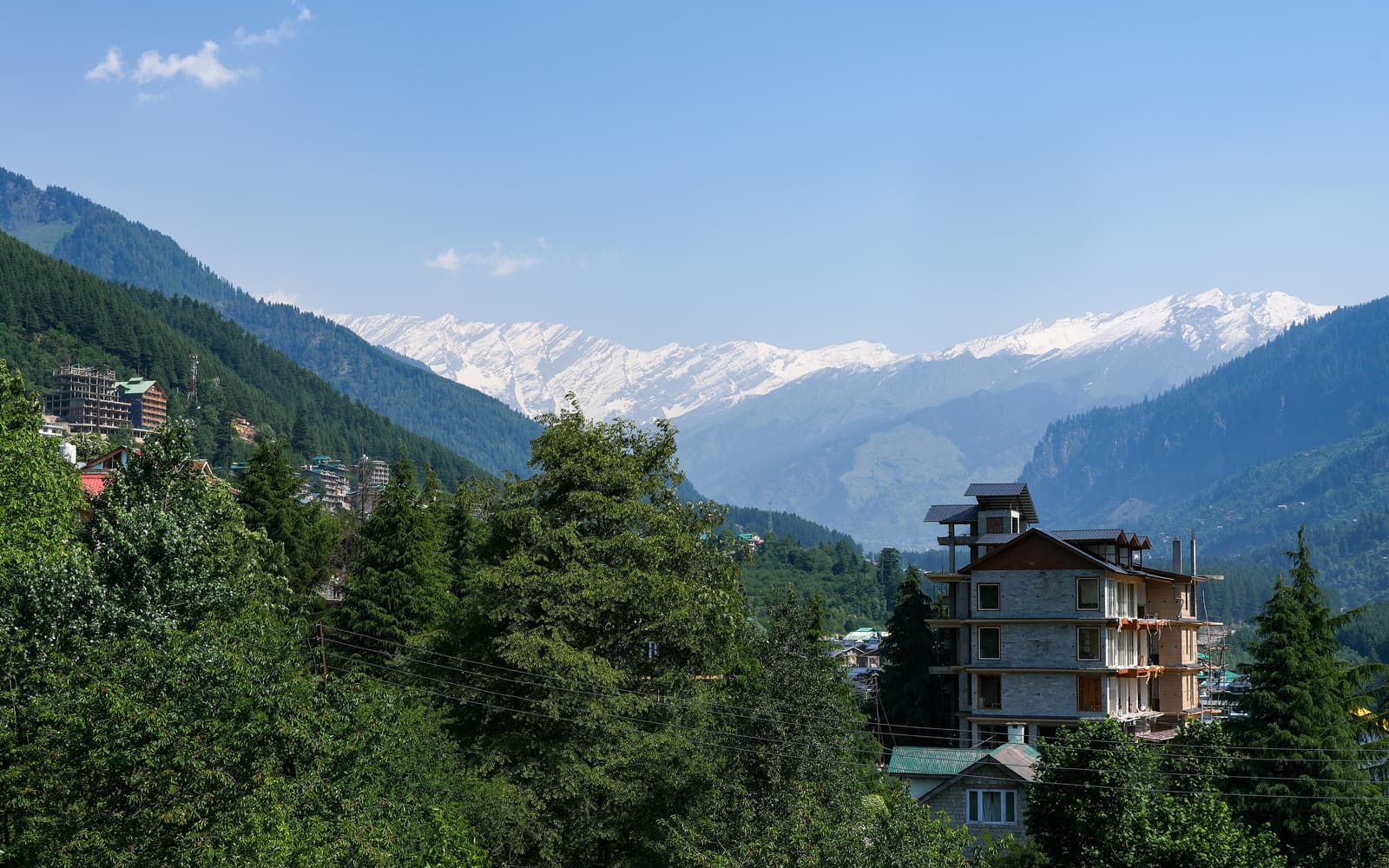
 Manali & Solang Valley
The Kullu valley’s adventure capital
At the head of the Kullu valley, Manali mixes deodar-forest temples, the old village lanes of Old Manali and Vashisht’s hot springs with the snow slopes, paragliding and skiing of Solang Valley just up the road. It is the base for the Atal Tunnel, Lahaul and the road to Ladakh.
 Kullu, Manali & Parvati
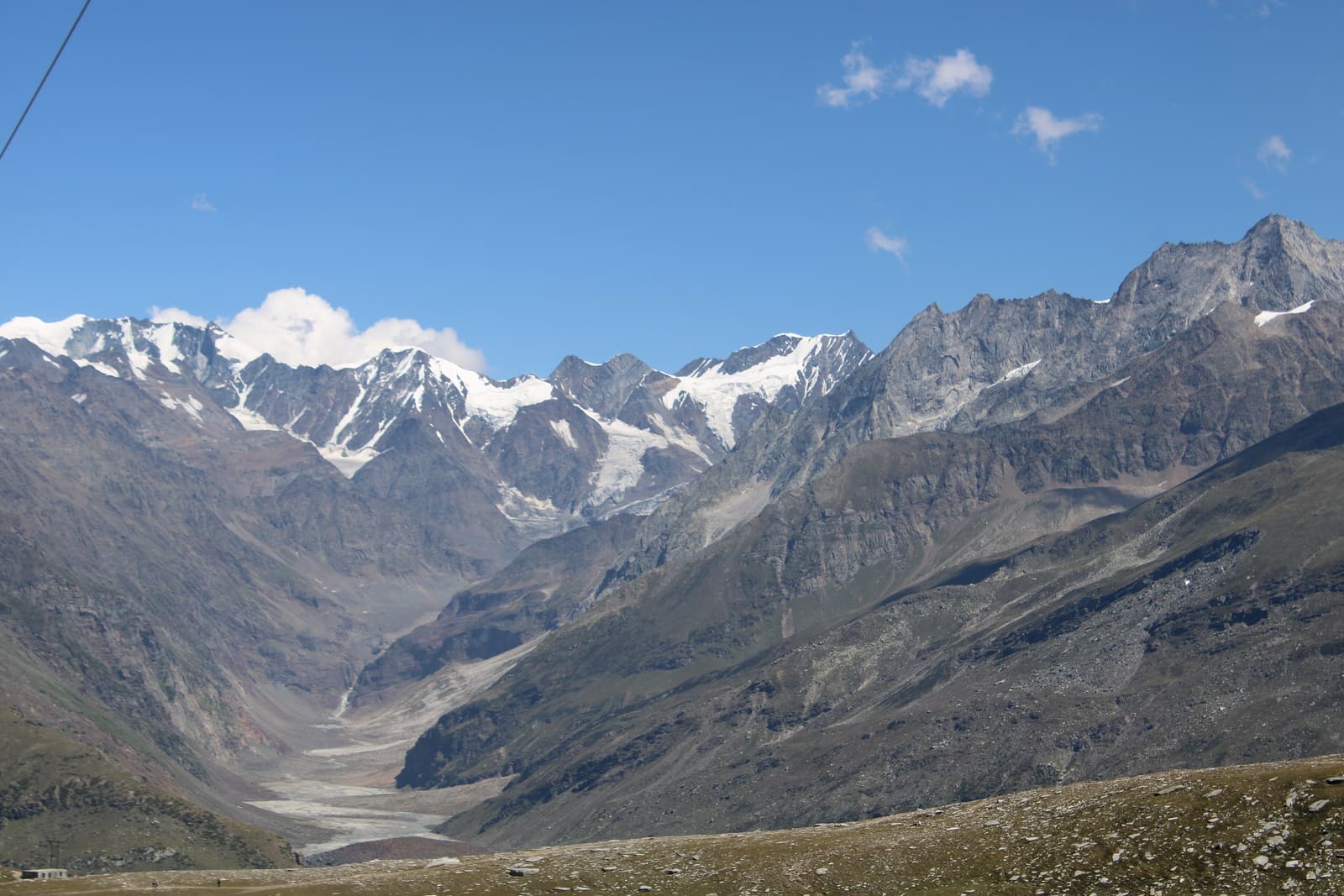
 Atal Tunnel & Rohtang Pass
Two ways over the Pir Panjal
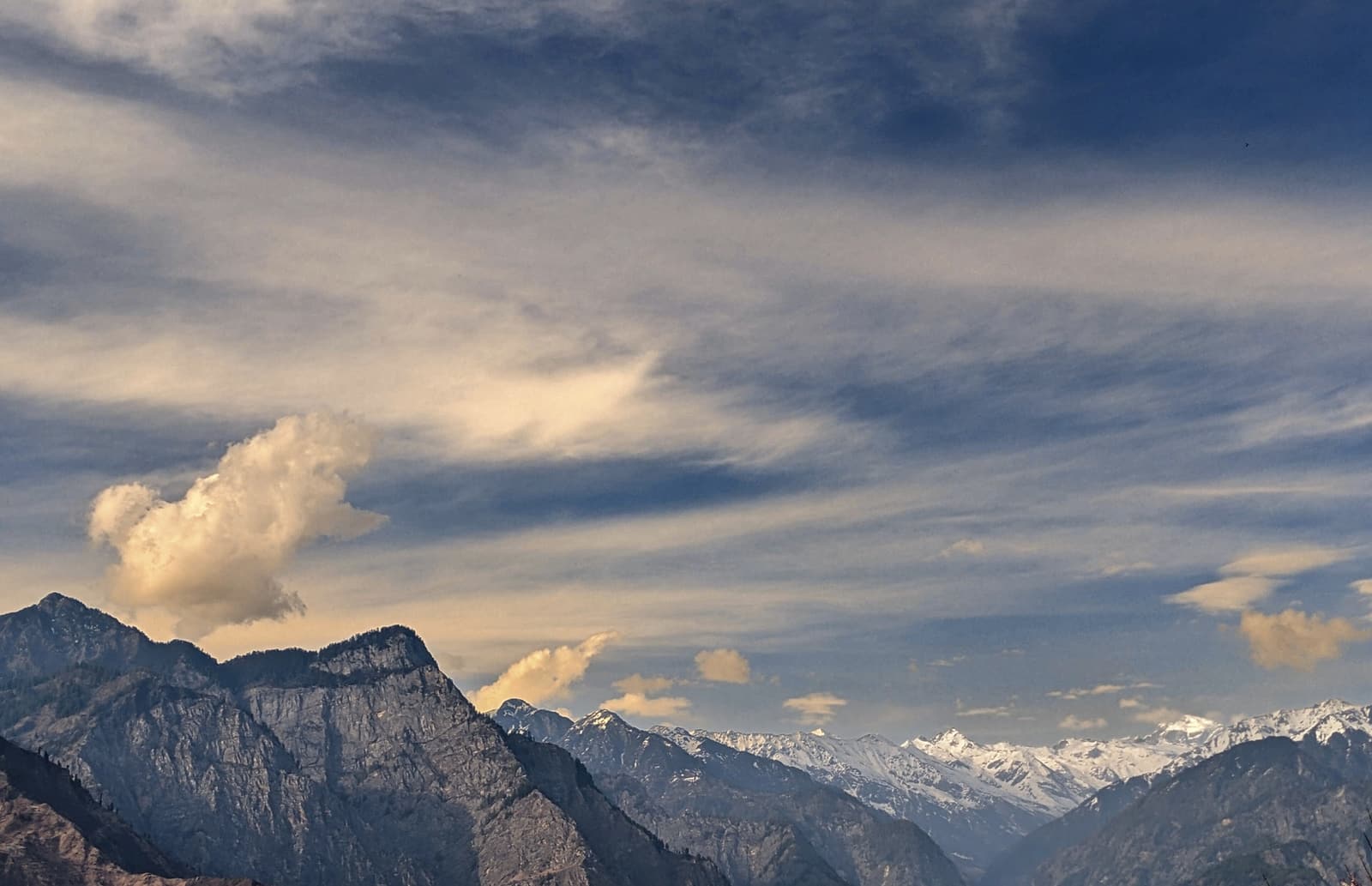
The 9 km Atal Tunnel, opened in 2020, runs beneath the Pir Panjal range and links Manali with Lahaul all year. Above it, the 3,978 m Rohtang Pass is a snow playground in early summer — reached only with an online permit and a daily cap on vehicles.
 Kullu, Manali & Parvati
 Kasol & Parvati Valley
Cafés, pine forest and hot springs
The Parvati Valley branches off the Kullu valley at Bhuntar and climbs past Kasol’s riverside cafés and guesthouses to the gurdwara and hot springs of Manikaran, the hamlets of Chalal, Tosh and Malana, and the trek to the hot pools of Kheerganga.
 Shimla & the lower hills
 Shimla
The summer capital of the Raj
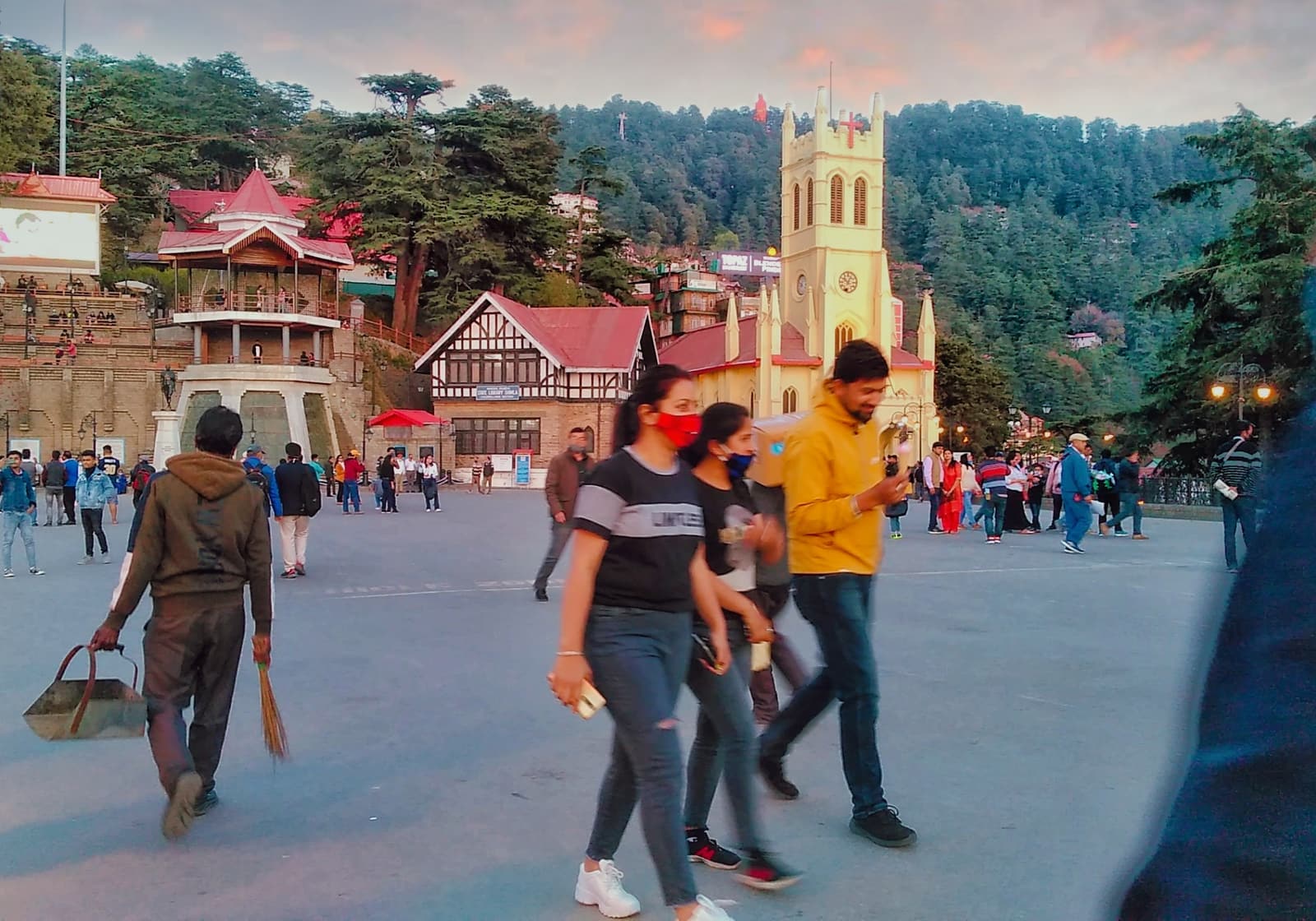
Strung along a ridge at about 2,200 m, Shimla was the summer capital of British India and is now the state capital. Walk the pedestrian Mall Road and the Ridge, visit Christ Church and the Viceregal Lodge, climb Jakhu hill and take day trips to Kufri, Mashobra and Naldehra.
Sample itineraries
5 days: Shimla and the toy train, or McLeod Ganj and Triund
Take the train to Kalka and the toy train up to Shimla; spend two days on the Mall, the Ridge and Jakhu, and a day in Kufri or Chail. Or take the night bus to McLeod Ganj for the Dalai Lama temple, a day on Triund and a day at Bir or the Kangra valley.
7 days: the classic loop
Delhi → Shimla (2 nights) → Manali via Mandi (3 nights, with a day to Solang and the Atal Tunnel) → Kasol (1 night) → overnight bus back to Delhi. Or swap Shimla for Dharamshala and Bir.
12 days: the grand tour with Spiti
Shimla (2 nights) → Sangla/Chitkul (2) → Kalpa (1) → Nako or Tabo (1) → Kaza (3) → Chandratal (1, in season) → Manali (2). This follows the recommended direction for acclimatisation. From October to May, when the Kunzum pass is shut, return the same way via Kinnaur.
Altitude and health
Shimla, Manali and McLeod Ganj are at 2,000–2,200 m and cause no problems for most people. Rohtang (3,978 m), Kaza (about 3,800 m), Chandratal (about 4,300 m) and Spiti’s high villages can cause acute mountain sickness. Ascend gradually, drink water, avoid alcohol for the first days, rest on arrival and descend if headaches, nausea or breathlessness get worse. Consult your doctor before travelling if you have heart or lung conditions.
Safety
- Roads: travel by day, choose experienced hill drivers and never pressure a driver to hurry.
- Monsoon: July and August bring landslides and flash floods, especially in Kullu, Mandi and Kinnaur. The 2023 floods were among the worst on record. Check forecasts and road status, and keep buffer days.
- Trekking: register with your guesthouse, go with a guide beyond well-trodden trails, and carry layers and water.
- Drugs: despite reputations, cannabis and charas are illegal in India, and possession is punished severely.
Money and connectivity
The currency is the Indian rupee (INR). ATMs are common in Shimla, Manali, Kullu, Dharamshala and McLeod Ganj, less reliable in Kasol, Kaza and Reckong Peo. UPI mobile payments are everywhere for Indian users; international visitors should carry cash for rural areas. Mobile data works in towns; in Spiti and Lahaul, BSNL and Jio have the best coverage.
Food to try
Look for siddu (stuffed steamed bread), madra (chickpeas in yoghurt gravy), chha gosht (lamb in buttermilk), trout from Kullu and the traditional dham feast served on leaf plates at festivals and weddings. In McLeod Ganj and Spiti, Tibetan momos, thukpa and butter tea are everywhere; Kasol’s cafés are famous for Israeli dishes. The Shimla home food experience is a great introduction.
What to pack
- Layers: even in summer, mornings and evenings are cool above 2,000 m; Spiti nights can be freezing.
- A rain jacket (essential from late June to September).
- Comfortable walking or hiking shoes with grip.
- Sunglasses, sunscreen and a hat — UV is strong at altitude.
- Motion-sickness tablets, a basic medical kit and any prescription medicines.
- A power bank and offline maps for the high valleys.
Culture and respect
Himachal is deeply religious: Hindu village deities, Buddhist monasteries and Sikh gurdwaras are living places of worship. Remove shoes where asked, walk clockwise around stupas and prayer wheels, cover your head in gurdwaras and dress modestly outside tourist areas. In villages such as Malana, respect local rules about not touching people or buildings. Always ask before photographing people.
Responsible travel
Carry a refillable bottle, take all rubbish down from trails, stay in locally owned homestays in villages and avoid single-use plastic, which is restricted in Himachal. In fragile high valleys, use existing campsites and never drive off-road on meadows.